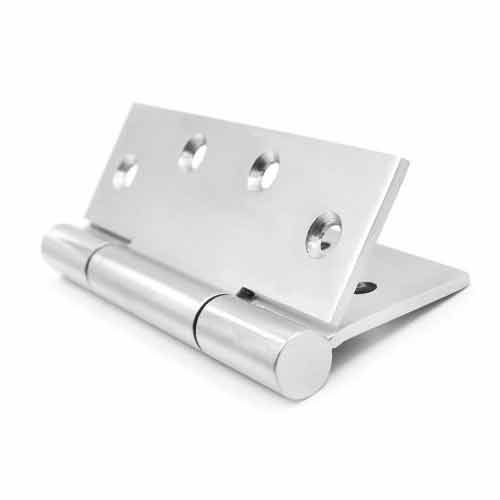
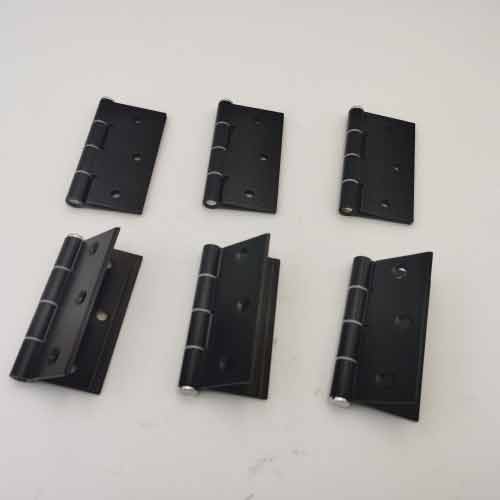
Product details description
Outdoor doors are constantly exposed to the elements, facing rain,
humidity, temperature fluctuations, and UV radiation. This harsh environment
requires hinges that are specifically engineered for weather resistance to
prevent squeaking, sticking, or eventual failure. Standard indoor hinges are
often made of raw steel or brass, which can corrode quickly when exposed to
moisture. Selecting the right outdoor hinges involves understanding the
materials and finishes that provide long-term durability against corrosion.
Material selection is the first line of defense for outdoor door hinges.
Stainless steel, particularly grades like 316, is the gold standard for coastal
or high-humidity areas due to its superior corrosion resistance. For less
extreme environments, solid brass or plated steel can be used, but they require
protective coatings. Non-ferrous materials like aluminum or certain polymers are
also naturally resistant to rust, making them suitable options for lightweight
gates and doors. The choice of material dictates the lifespan of the hinge;
materials that succumb to rust can seize up, making the door difficult to
open.
Protective finishes play a critical role in enhancing the weather
resistance of door hinges. Powder coating is a popular choice because it
provides a thick, durable layer that seals the metal from moisture and oxygen.
Zinc plating or galvanizing is also common for steel hinges, offering
sacrificial protection where the coating corrodes instead of the base metal. For
architectural applications where aesthetics matter, PVD (Physical Vapor
Deposition) coatings can provide a brass or bronze look without the
susceptibility to tarnish or rust. These finishes ensure the hinge maintains its
functionality and appearance over years of exposure.
The design of the hinge itself also contributes to its performance in
outdoor applications. Outdoor hinges should have features like sealed bearings
or washers to prevent water from infiltrating the pivot points. Water trapped
inside the hinge mechanism can lead to rust and squeaking. Additionally, the pin
should be non-removable or welded to prevent it from being knocked out by wind
or impact. A robust design ensures that the heavy weight of an exterior door
does not cause the hinge to sag or pull away from the jamb over time.
In conclusion, weather-resistant door hinges are an essential investment
for any property with exterior entries. They provide the reliability and smooth
operation needed to withstand the rigors of weather. By choosing
corrosion-resistant materials like stainless steel and protective finishes like
powder coating, homeowners can avoid the common problems of rust and stiffness.
Properly selected and installed hinges ensure that outdoor doors remain secure,
functional, and silent throughout the seasons, enhancing the longevity of the
entire door system.
Previous article:
Heavy-Duty Door Hinge Applications: Load Capacity and Industrial Door Systems
Next article:
Door Hinge Lubrication Maintenance: Noise Reduction and Operating Life Extension